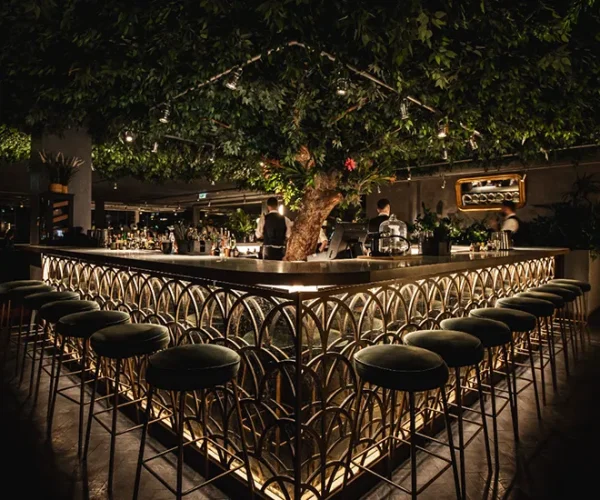
Chef Olivier da Costa is one of Portugal’s most influential culinary entrepreneurs; a visionary who has shaped Lisbon‘s dining scene for nearly three decades. He sat down with Condé Nast Johansens at The Vintage Hotel & Spa in Lisbon to talk about his family roots, including his father – one of the first chef’s to earn a Michelin Star in Portugal – his instinctive path to the kitchen and a rise driven by bold ideas, relentless innovation and an unmistakable Portuguese identity.
Today, with more than 35 restaurants worldwide, Olivier has built an empire defined not by the formality of fine dining but by concepts that blend style, accessibility and a vibrant sense of place. From Yakuza to Guilty and his newest ventures, his restaurants are crafted to excite, surprise and capture the energy of modern Portugal.

What inspired you to become a chef and how did your culinary journey begin?
I was born in a kitchen, in Portugal. My father always ran restaurants, my sisters cooked and my grandparents were very influential. My grandfather was a gourmet, my grandmother was a great cook; all of this shaped me.
Being half Portuguese, half French and having family roots in Morocco exposed me to a rich culinary culture that was rare in Portugal at the time. While my friends were eating steak and eggs every day, I was discovering pesto at nine years old, made by my English aunt or enjoying flavours that weren’t common in Portugal. That early exposure made cooking come naturally to me.
I also have an entrepreneurial spirit. At 18, instead of pursuing golf abroad, I opened my first restaurant in Portugal. It was a success and I continued to open more. Today, I have more than 35 restaurants, all rooted in Portuguese culture, with concepts that combine good food, good vibes and good value for money. My team is essential. It’s a collective effort that makes our restaurants successful.
What’s your signature dish and what makes it so special or personal to you?
I don’t have a single dish, I have signature concepts and ways of doing things. I often compare it to AMG cars: taking something standard and customising it uniquely.
For example, our Wagyu Picanha with truffle was designed for the Portuguese market. Wagyu was expensive but we made it accessible while keeping it luxurious. This dish, like others in my restaurants, became iconic because it combined quality, creativity and approachability, which is a reflection of my Portuguese roots and entrepreneurial mindset.
 ©
©
What have been the biggest challenges in building your culinary identity and restaurant vision?
In Portugal, the biggest challenges have been bureaucracy and envy. Running restaurants is always difficult but here, navigating regulations and managing competition can be especially tough.
How do you incorporate sustainability and seasonality into your menus and kitchen practices?
Our concept isn’t strictly seasonal. We focus on creating a “rock and roll” menu that’s fun and enjoyable for guests. We do use seasonal Portuguese products when it makes sense, like a fish called parco, but it’s not the driving factor. Everything is adapted naturally through team meetings, with a focus on quality, value and what people in Portugal want to eat.
Which world cuisines, cultures or travel experiences have most influenced your cooking style?
Travel inspires me and I always bring ideas back to Portugal. I spent time in London and New York, observed concepts such as the French-Mediterranean style of Bagatelle London and adapted them to the Lisbon market. My goal is to introduce new experiences in Portugal, not to copy them, but to adapt them in ways Portuguese guests can enjoy and relate to.

How do you define modern luxury in fine dining, and how do you bring that to life for your guests?
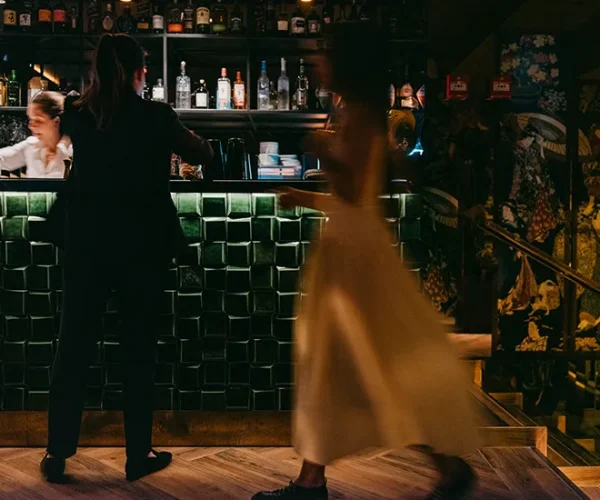
I don’t run traditional fine dining restaurants. I run bistro-style, fashionable concepts. Modern luxury for me is about the overall experience: ambience, music, lighting, service and style. In Portugal, it’s all about creating spaces where people want to go, enjoy themselves and feel that something special is happening, all while being accessible and fun.
How do you stay creative and continually evolve your food while maintaining consistency in Portugal?
I never stop innovating. I look at what’s missing in Lisbon or what trends abroad could inspire Portuguese guests. For example, when opening Yakuza, I blended Japanese and Brazilian influences to create something unique for Lisbon. Observation and understanding the Portuguese market are key to maintaining creativity and consistency.
What advice would you give to young chefs entering today’s fast-paced culinary world?
There are tow paths: the Micheline Star path or the commercial path, like concept restaurants such as Yakuza, Seen and Guilty. Both work but it depends on your goals. Even small bistros with passionate chefs can thrive in Portugal if they focus on quality and experience.
If you could cook for anyone – past or present – who would it be and what would you serve?
Robert De Niro. I would take him to Yakuza and serve dishes that represent fun, high quality and the visually memorable.
What makes your restaurants stand out in Portugal compared to elsewhere in Europe?
My restaurants focus on experience and visibility. In Portugal, people want to see and be seen, enjoy the vibe and have Instagrammable moments. Food is essential but it’s about creating an entire atmosphere that’s stylish, fun and accessible. This has helped build strong brands in Portugal such as Yakuza, Guilty and Seen, and proven that these concepts can succeed in any city.
Read the original article in Johanses Conde Nasté.